Bagan
Ancient capital of the Pagan Kingdom, famed for thousands of Buddhist temples.

Jakub Hałun · CC BY-SA 4.0
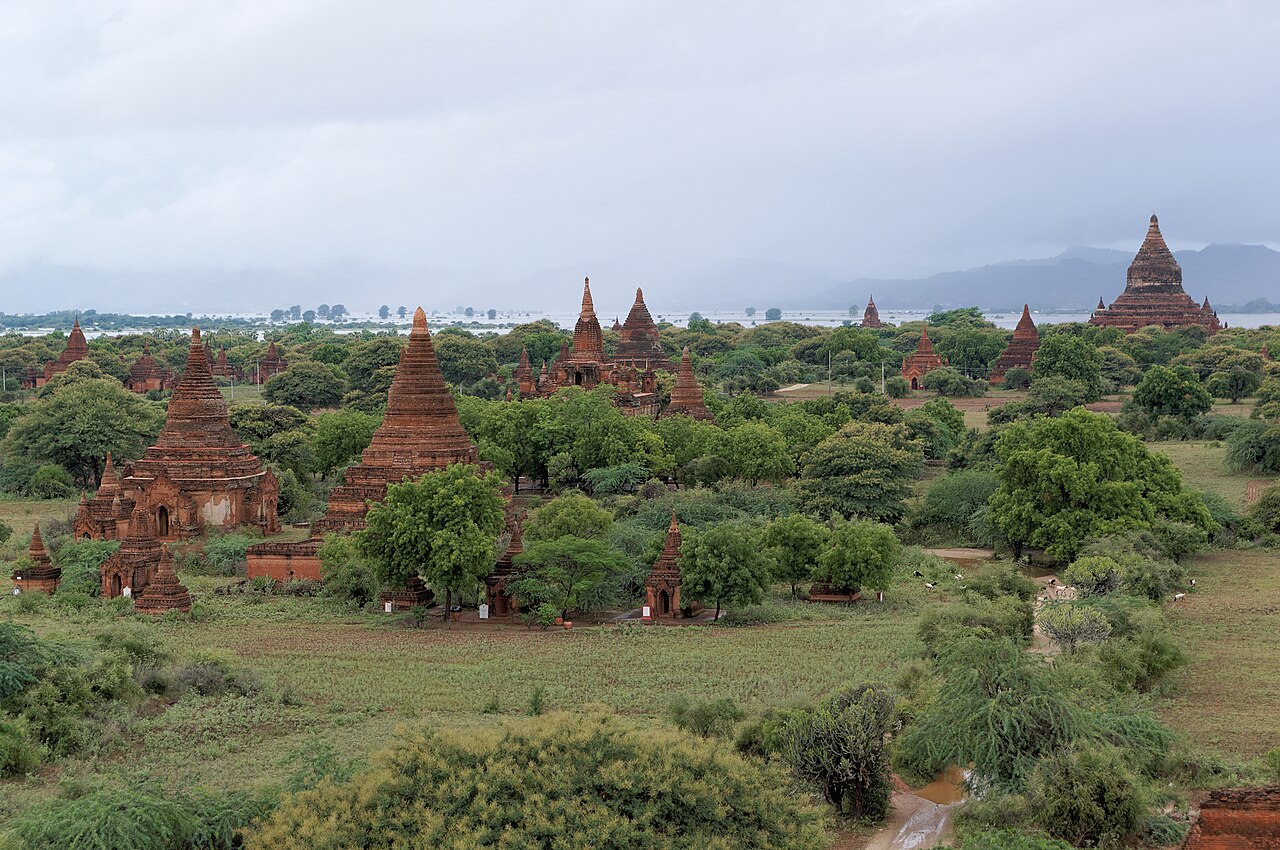
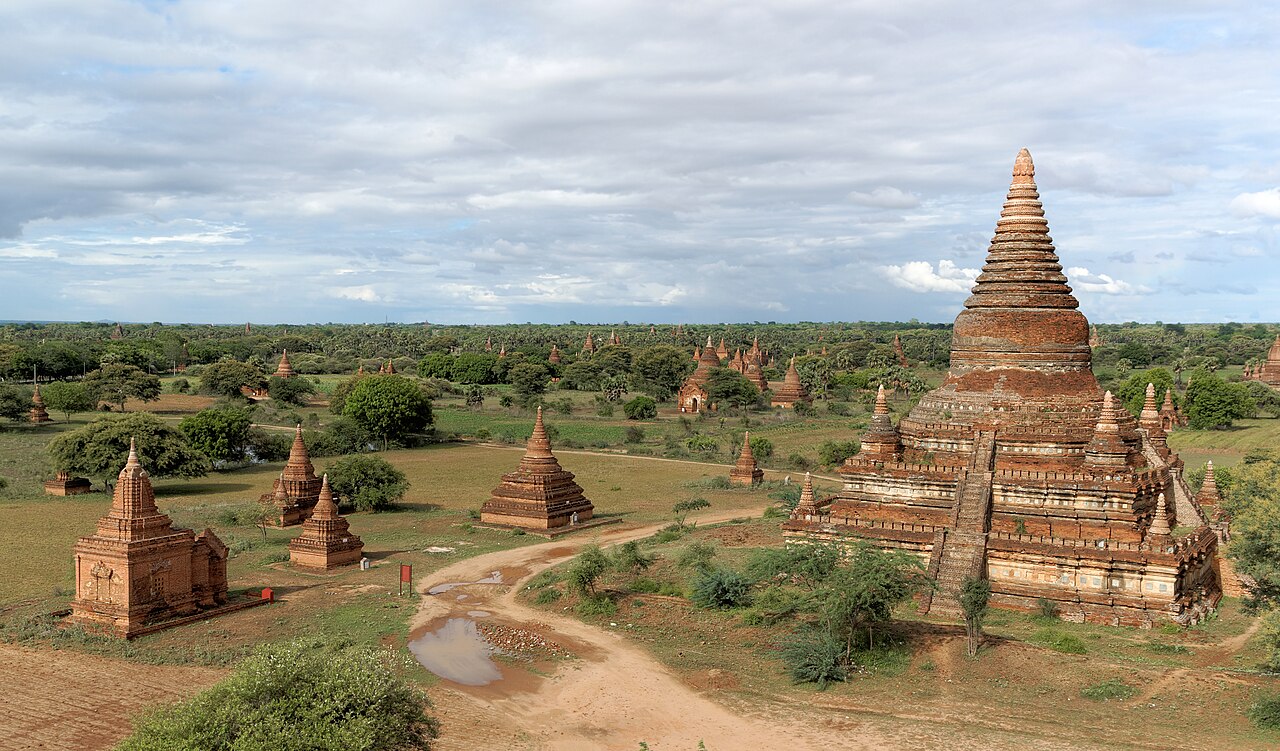
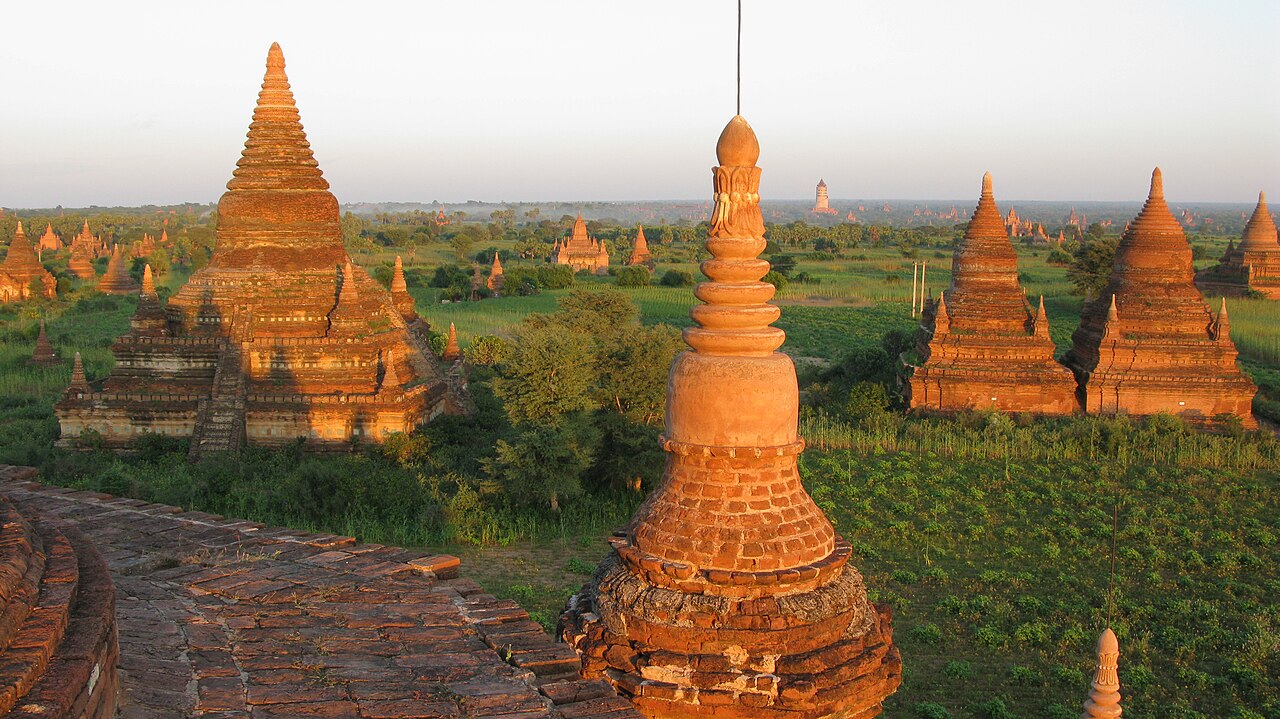
Bagan (formerly Pagan) is an ancient city and UNESCO World Heritage Site in the Mandalay Region of Myanmar. From the 9th to 13th centuries, it served as the capital of the Pagan Kingdom, the first kingdom to unify the regions that would later become Myanmar.
- Founded
- mid-to-late 9th century (scholarly consensus); 2nd century CE (chronicles)
- Location
- Mandalay Region, Myanmar
- UNESCO status
- World Heritage Site
Lore & Background
Western scholarship holds it was founded in the mid-to-late 9th century by the Mranma (Burmans) entering the Irrawaddy valley from the Nanzhao Kingdom. It was among competing Pyu city-states until the late 10th century, when the Burman settlement grew in authority. The city became a cosmopolitan hub for religious and secular studies, attracting monks and students from India, Sri Lanka, and the Khmer Empire.
Reader's Guide
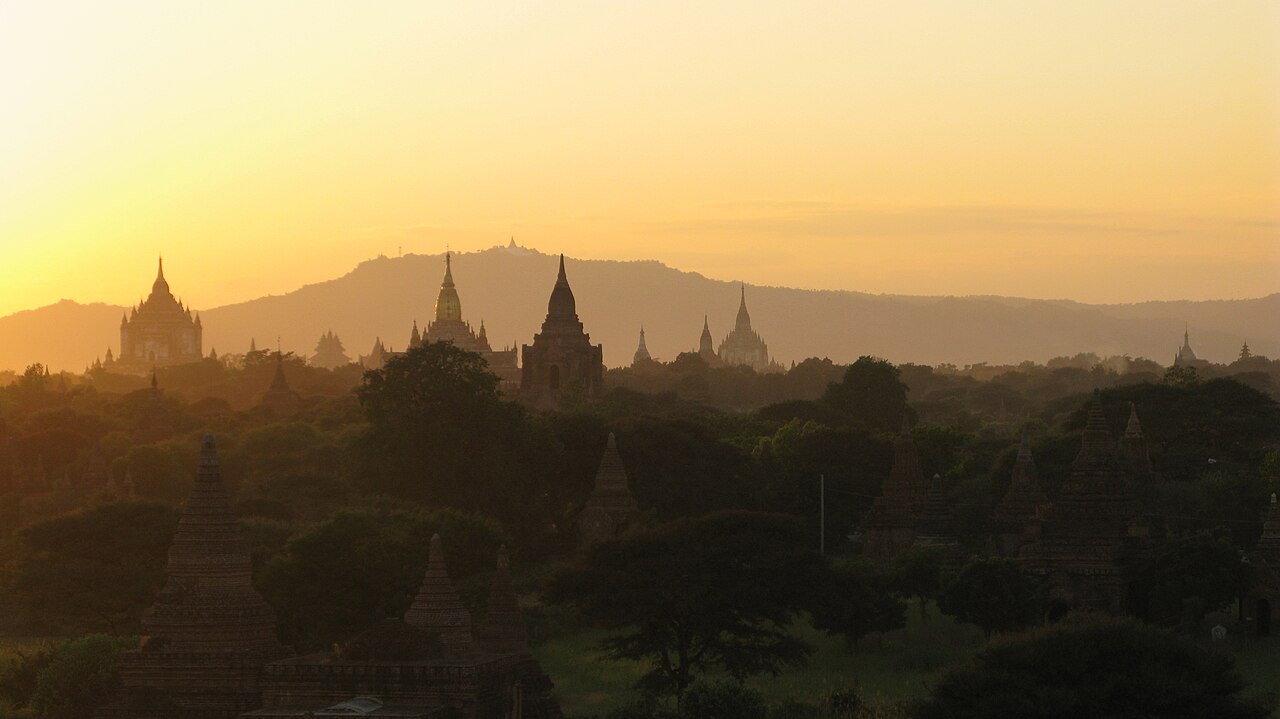
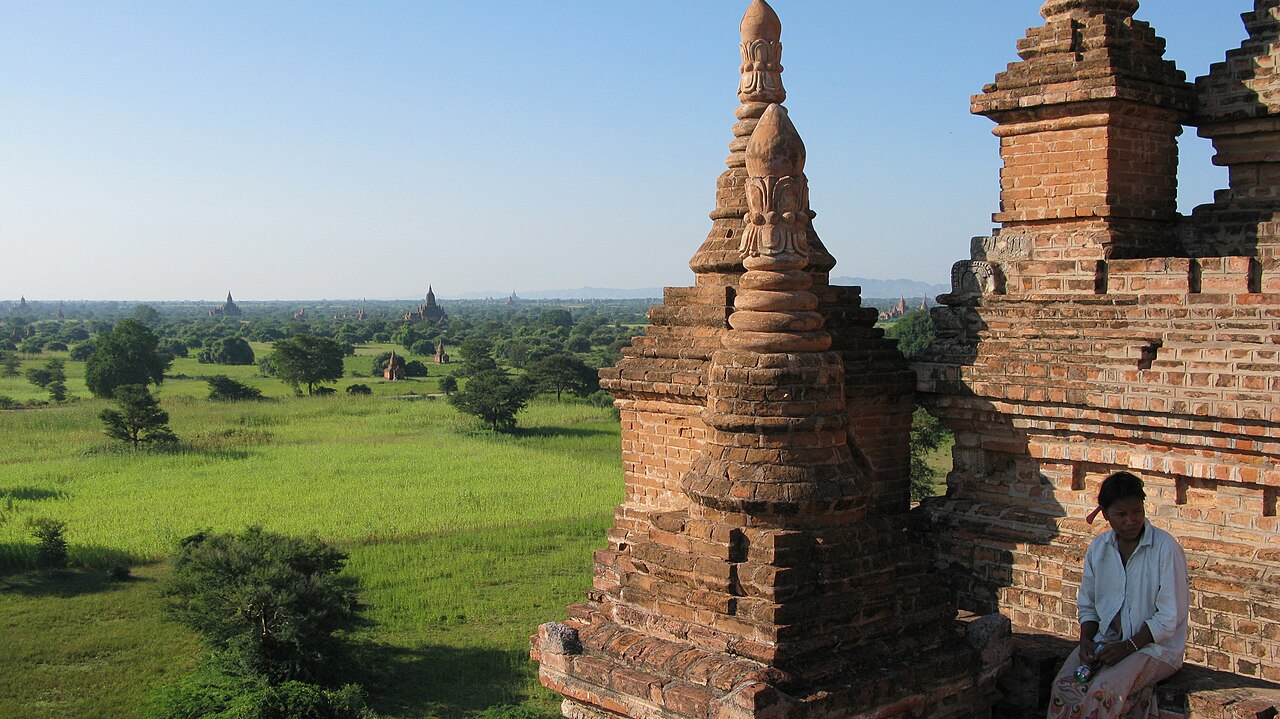
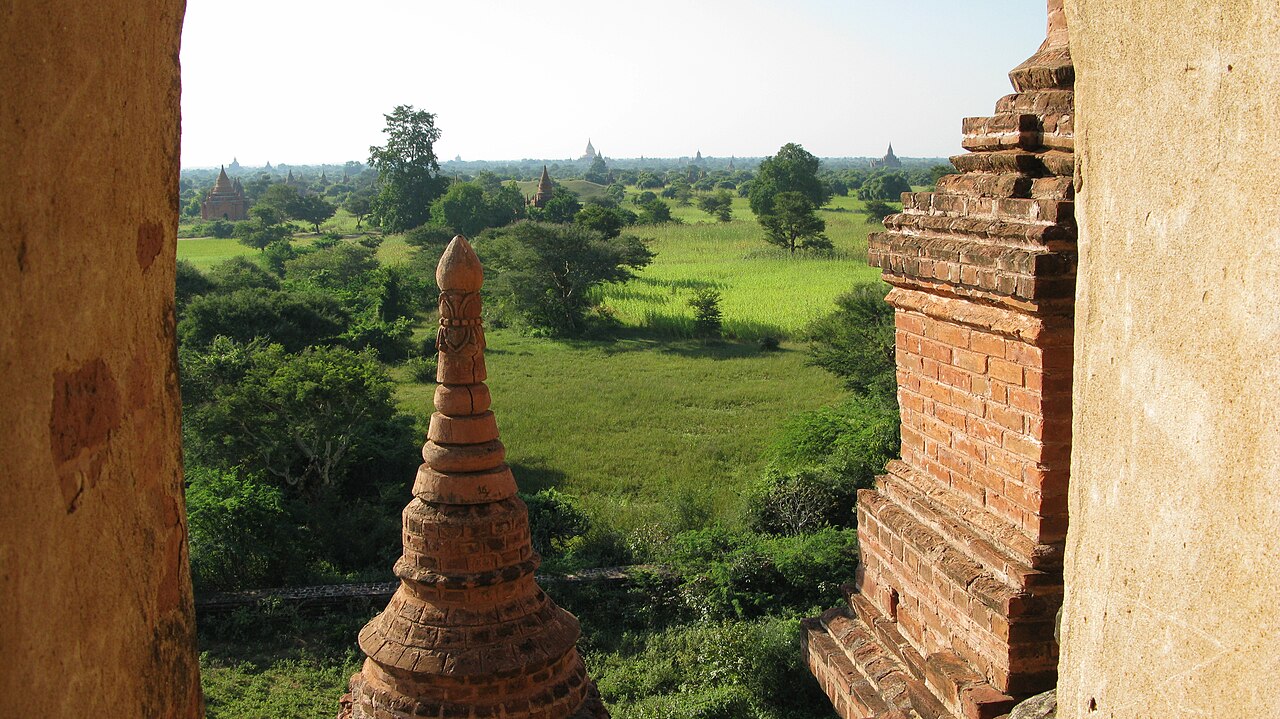
Bagan's significance lies in its role as the capital of the first unified Burmese kingdom and its extraordinary concentration of Buddhist architecture. The city's culture was dominated by a fluid, syncretic religion where Theravada Buddhism coexisted with Mahayana, Tantric Buddhism, Hindu schools, and native animist traditions. The city survived as a pilgrimage destination, with only a few dozen temples regularly maintained. The Bagan Archaeological Zone is a main attraction for Myanmar's tourism industry.
Did You Know?
- Bagan's classical Pali name Arimaddanapura means 'the City that Tramples on Enemies'.
Gallery
Frequently Asked Questions
Who is Bagan?
Bagan is not a person but an ancient city in Myanmar's Mandalay Region. It served as the capital of the Pagan Kingdom and is today recognized as a UNESCO World Heritage Site.
What role did Bagan play in history?
From roughly the 9th through the 13th centuries, Bagan functioned as the seat of the first kingdom to unify the territories that would eventually form modern Myanmar. Its most visible legacy is the vast landscape of Buddhist temples built during that era.
How does Bagan's story end?
The Pagan Kingdom's dominance as a capital came to an end around the 13th century, but the city itself never truly disappeared. Today it survives as a living heritage site and a major destination for visitors and pilgrims alike.
Why is Bagan important?
Bagan is significant because it was the first political center to bring together the disparate regions of what is now Myanmar under a single kingdom. Its thousands of surviving temples also make it one of the densest concentrations of Buddhist architecture in the world.
When was Bagan founded?
Most modern scholars place the city's founding in the mid-to-late 9th century based on archaeological and textual evidence. Older Burmese chronicles, however, trace its origins back as far as the 2nd century CE.
More in Miscellaneous Cities 1-22
Spotted an error? Know more?
This is a living reference — every entry is fact-audited, and reader corrections feed straight into our audit queue. Suggest an edit · See this site's audit record