
Alor Setar
State capital of Kedah, Malaysia.

via Wikipedia: Nasi lemak · see source
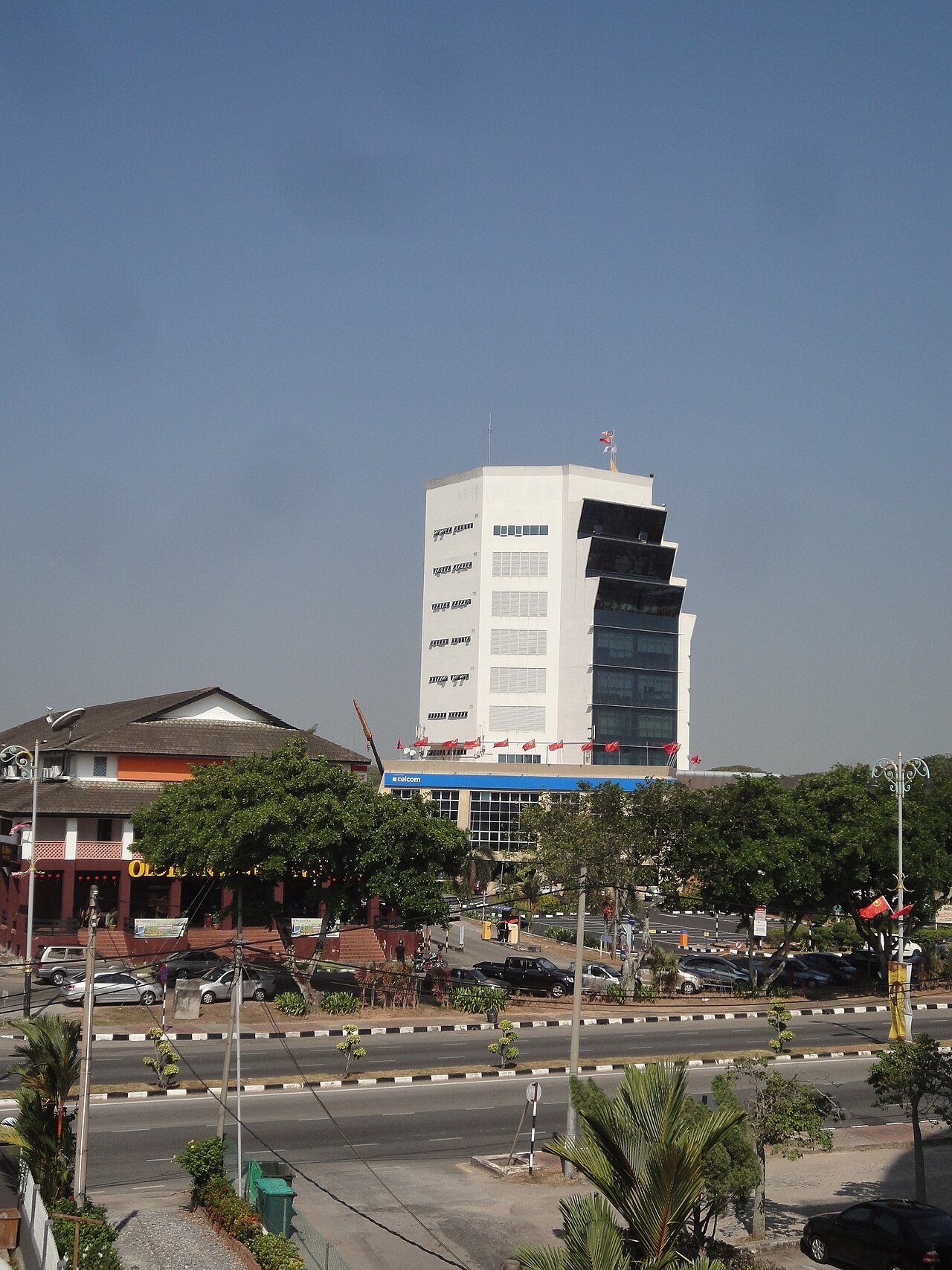
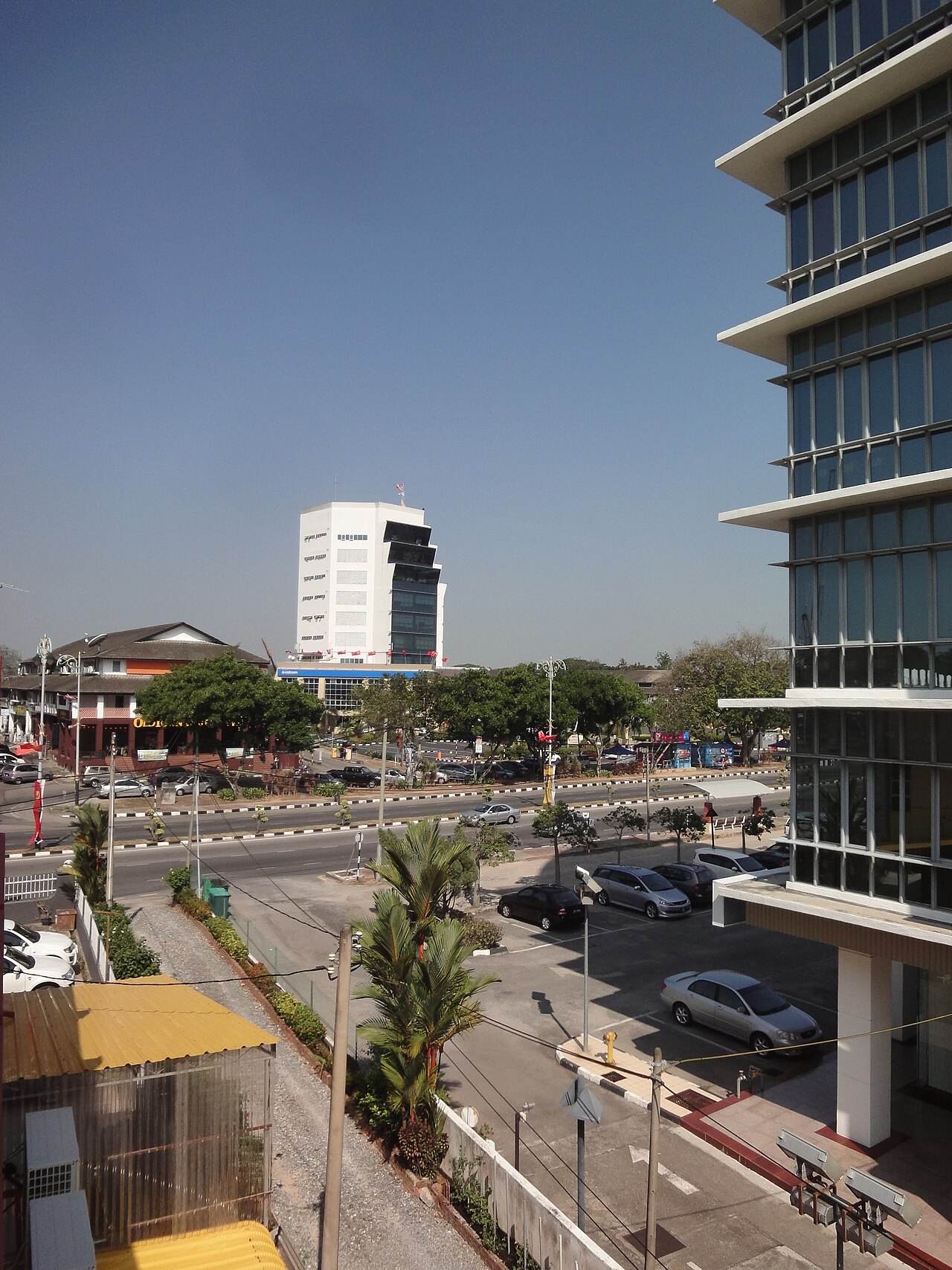
Alor Setar is the state capital of Kedah, Malaysia. Its location along the main travel corridor from Malaysia to Thailand has long made it a major transportation hub in the northern Malay Peninsula.
- State
- Kedah, Malaysia
- Notable natives
- Tunku Abdul Rahman and Mahathir Mohamad
Verified Timeline
Lore & Background
The pre-existing settlement was originally a small village, but the sultan found the area strategic, covered in lush greenery and at the convergence of two estuaries of the Kedah River. His visit spurred direct trade relations, attracting British, Indian, Chinese, and other merchants. The town prospered into a bustling commercial, transportation, and communication hub. Note: While the settlement existed well before, the specific year 1785 is not widely established as its founding date.
Reader's Guide
Alor Setar holds significance as the state capital of Kedah. Its location along the main travel corridor from Malaysia to Thailand makes it a major transportation hub.
Did You Know?
- Alor Setar existed as a settlement long before it was formally established as Kota Setar; no single founding year like 1785 is widely recognized.
- The city's name comes from the Malay words 'Alor' (small stream) and 'Setar' (a tree related to the mango).
- Alor Setar Tower stands approximately 165.5 meters tall, placing it lower than several other towers in Malaysia.
- The city was proclaimed a city on 21 December 2003 and was renamed Alor Star, but reverted to Alor Setar on 14 January 2009.
The Yellow Rice of Alor Setar
In the culinary landscape of northern Kedah, the city of Alor Setar is most closely associated with a distinctive local interpretation of Malaysia's national dish. Known locally as nasi lemak kuning—literally "yellow nasi lemak"—or alternatively as nasi lemak royale, this variant sets itself apart through its striking golden-yellow rice. Unlike the standard white-rice version found elsewhere in the Malay world, the Alor Setar preparation takes on this warm hue. The yellow rice is typically eaten with curries, a characteristic that aligns with the broader northwestern Peninsular Malaysian tradition of incorporating curry into nasi lemak preparations. This variant is not confined to the city alone; it is prevalent throughout parts of northern Kedah and extends into the neighbouring state of Perlis.
Naming and Local Distinction
Because both the traditional banana-leaf-wrapped version and the yellow-rice variant are so widely available across northern Kedah and Perlis, the people of Alor Setar and surrounding areas have developed a practical naming convention to tell them apart. Where the rest of Malaysia might simply call the standard preparation "nasi lemak," locals in this region refer to it as nasi lemak daun pisang, meaning "banana leaf nasi lemak." This linguistic distinction reveals how deeply the kuning or royale variant has become embedded in the local food culture—so much so that the traditional form now requires a qualifier to be identified.
A Regional Signature in a Wider Tradition
The Alor Setar variant of nasi lemak is one local expression of a dish that spans the entire Malay world. Nasi lemak is regarded as the national dish of Malaysia and is also native to Singapore, Southern Thailand, parts of Sumatra in Indonesia (particularly the Malay regions of Riau, Riau Islands, and Medan), the Philippines, and even Australia's external territories of Christmas Island and Cocos (Keeling) Islands. The dish was recognized by Malaysia's National Heritage Department and, in 2024, was successfully listed on the UNESCO Intangible Cultural Heritage List after being nominated alongside roti canai and teh tarik. The dish's roots stretch back to at least 1875, when it appeared in a French-Malay dictionary compiled by the missionary Pierre-Étienne-Lazare Favre, and to a 1909 book by Richard Olaf Winstedt.
From Legend to Breakfast Table
The story behind nasi lemak carries a legend from Malacca: a young girl named Seri accidentally spilled coconut milk into her rice while cooking for her mother, and when asked what she was preparing, she replied, "Nasi le, mak"—"just rice, Mom." The name, literally meaning "fatty rice" in Malay, is understood in this context to convey richness and creaminess. In the broader tradition, the rice is soaked in coconut milk and steamed with pandan leaves for a distinctive aromatic flavour. As a breakfast staple, nasi lemak is sold in hawker centres and roadside stalls across Malaysia and Singapore, with ready-packed versions called nasi lemak bungkus available at prices as low as RM2.00. In Alor Setar, the dish occupies this same essential morning-meal role, but the local yellow-rice-and-curry identity gives it a character that residents of northern Kedah and Perlis recognize as distinctly their own.
Gallery

Frequently Asked Questions
Who is Alor Setar?
Alor Setar is the state capital of Kedah in Malaysia, serving as the administrative and governmental heart of the northernmost Malaysian state.
What is Alor Setar's main role in the region?
Sitting directly on the primary overland route connecting Malaysia to Thailand, Alor Setar has long functioned as a key transportation hub for the northern Malay Peninsula.
How does Alor Setar compare in size to other Kedah cities?
By the 2020 census figures, it ranks as the second-most populous city in Kedah, trailing only Sungai Petani.
Which famous people call Alor Setar home?
The city is the birthplace of two landmark figures in Malaysian politics: Tunku Abdul Rahman, the nation's first prime minister, and Mahathir Mohamad, who later served as a long-tenured head of government.
Why does Alor Setar matter on the broader Malaysian map?
It combines the weight of a state capital with its strategic position as the gateway corridor to Thailand, while also claiming two of the country's most influential political figures as natives.
More in Miscellaneous Cities 1-22
Spotted an error? Know more?
This is a living reference — every entry is fact-audited, and reader corrections feed straight into our audit queue. Suggest an edit · See this site's audit record